Article
"I'd rather fall on a limb than my camera equipment"
Written by Frit Tam (15 mins read)
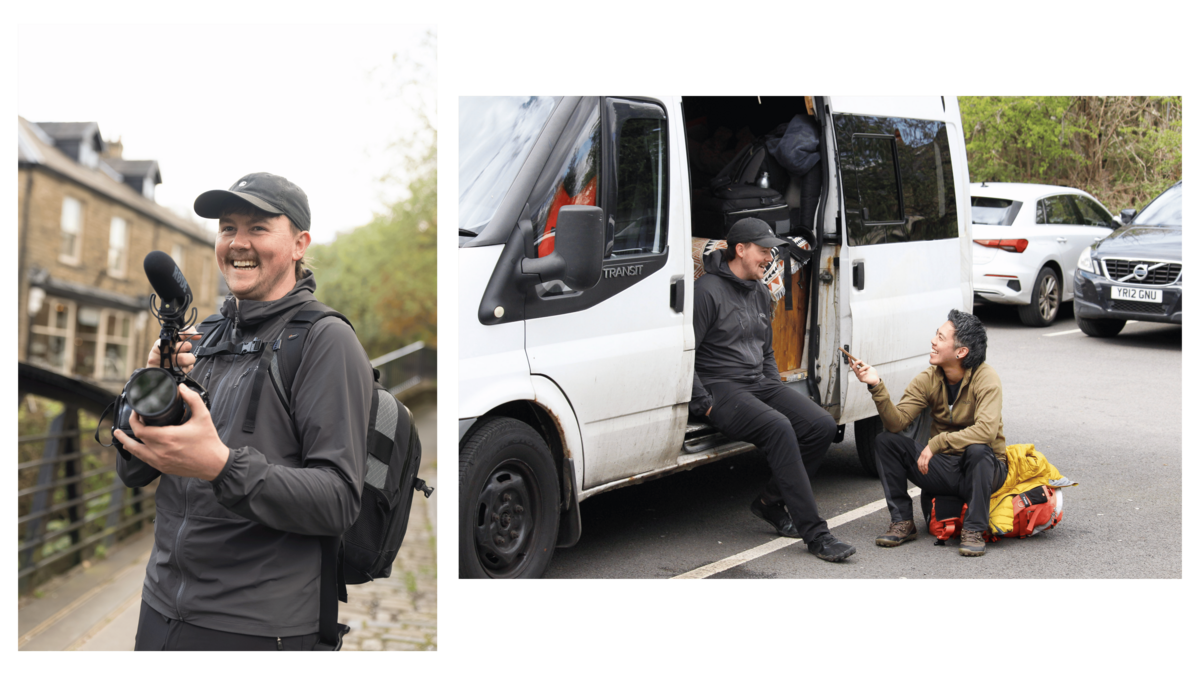
It’s 10am and I’ve just pulled into Canal Wharf car park in Whaley Bridge, where I’m waiting to meet Sakura Singh-Corke. We’re both here to document filmmaker, Jamie Schofield, as he captures day three of Ben Dalton’s (aka Posture Ben) barefoot sandal Peak District ethel-bagging challenge. For me, it’s about being part of an adventure that’s quintessentially local—a homegrown filmmaker, a local adventurer, and the stunning backdrop of the Peak District. The sky is a brilliant bluebird day, though mid-April reminds us not to be fooled by appearances; it’s still a day where the warmth can be deceptive.
After a busy week, I’m running on empty, and in the quiet moments before Sakura arrives, I briefly wonder if I should have opted for a slow Sunday morning instead. But the moment she pulls up, the fatigue shifts and I know we’re going to have a brilliant day. We gather our things and set off, walking Ben’s route in reverse so we can cross paths with him and Jamie along the way.
Sakura was a new addition to the festival team this year, and if you followed our social media, you’ll likely recognise her face as she teamed up with our communications team, Ali and Conor, producing some great coverage of the festival. From our first conversation, I knew she was sound, and as we walked and chatted - adjusting our layers with every shift between sunlight and shade - I learned that she had always had an interest in film and wanted to support more documentaries. She had met Jamie at this year’s ShAFF and in speaking with him, he had offered for her to join this adventure with Ben to begin building experience.
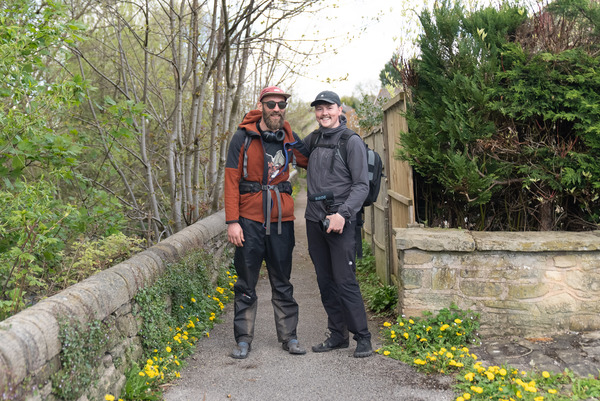
Before long, we heard voices echoing over the ridge, and Ben’s cap came into view. Beside him was Jamie, the filmmaker, and on his other side was Jamie’s hilarious partner, Isabella. Despite already covering 21km since 6:30am, Ben looked surprisingly fresh, and I finally got a look at the famous feet and footwear propelling him through this challenge. Jamie and Ben seemed like old friends already, joking and laughing together, sharing stories (mainly of bogs) from the past few days.
It didn’t surprise me that they got on so well already. I’d met Ben in December 2025 at wildsole sandals’ HQ in Penistone where his down-to-earth, approachable nature was immediately apparent. He shared his challenge with me and asked if I knew of any filmmakers interested in documenting his adventure. Jamie came to mind straight away; he already had two standout films in the 2026 festival (The Art of Bea-ing and Running To The Start), and our prior geeking out about filmmaking made me wonder if he’d be a good fit. I’m not claiming sole credit for bringing them together - but if you’d like to, I’ll take it as a compliment.
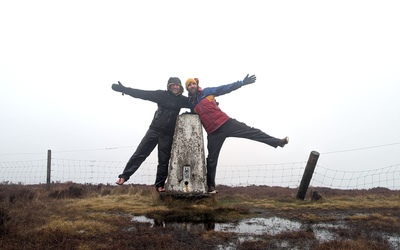
Once we descended back into Whaley Bridge, Ben left us for his next push onto Kinder and Grindslow Knoll, ending in Edale. Jamie and I found a spot by his van to sit down and discuss the filmmaking process so far.
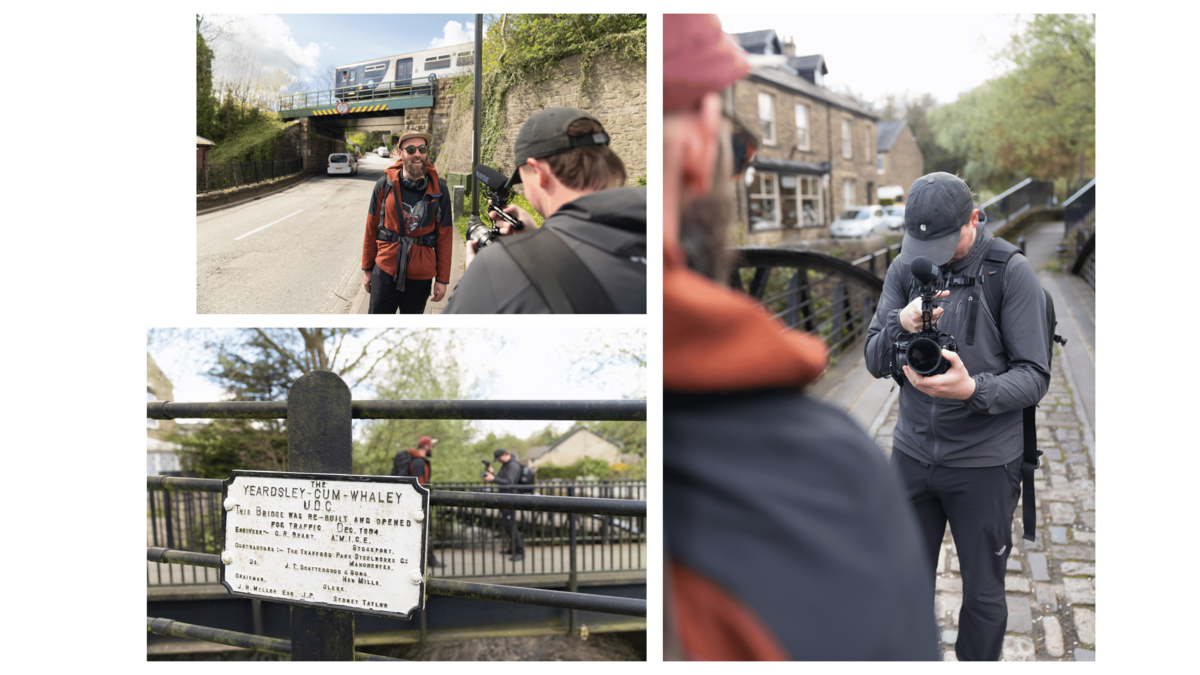
Frit: Will you introduce yourself, please? Who are you?
Jamie: My name is Jamie Schofield, and I'm a filmmaker.
F: Can you tell us a little bit about what you're doing here and a brief summary of the project with Ben?
J: Yeah, so we are currently in Whaley Bridge on day three of Ben's ethel challenge. Ben is a posture therapist, so he teaches people how to have better posture and he's a huge advocate for barefoot living. He's hoping to bag all the ethels in one push, which is 95 peaks in the Peak District, over 500 kilometres. So 14,000 metres of total ascent, which is, like, double Everest without the altitude sickness. He's doing all that in barefoot sandals made by local Wild Sole Sandals. He's hoping to do it in 10 days and I am filming it all.
F: Are you filming every day?
J: Most days, yeah. We started on Friday, 2 days ago. I filmed on Friday, Saturday, Sunday. I'll be filming Monday, Tuesday, Wednesday. Unfortunately, on Thursday, I can't be here but I’m back again on Friday, Saturday night, and then for the finish on Sunday. So I'm not filming it all, but I have given him a DJI Osmo Action 5 to take on his travel so he can vlog, and he seems to be enjoying that quite a lot [laughs]
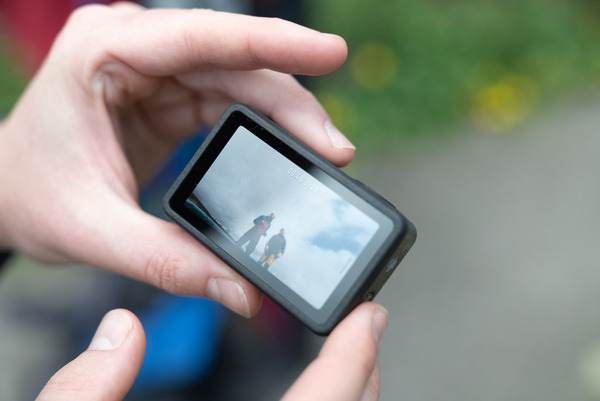
F: That's a good point, actually. Has he picked up anything from working with you in terms of how to film himself? Had he filmed himself before?
J: Yeah, he does quite a lot of social media stuff, so I he's not uncomfortable on camera, which has been great for me because you can just kind of pull out a camera, have a conversation without him being awkward, or acknowledging the camera. So it's been great from a filming perspective. In terms of the self-filming footage, he does not, like, give a sh*t [laughs]. He'll be filming himself doing football celebrations, or he'll be vlogging saying, “yeah, I've just gone for a poo, and it's not been the nicest” [both Frit and Jamie laugh]. He’s a bit of a natural to be honest.
F: Great, how have you found working with him? When did you first properly meet him and then how has your working relationship evolved over the past few days that you've been filming together?
J: So, my first knowledge of Ben was through Frit, from ShAFF. Shout out!
Frit: [laughs] Thank you!
J: I got introduced via email first, and then we were both actually at ShAFF together. He emailed me to say where he’d be, and I'd never actually seen his face before but he looked like a Ben [Frit laughs] So I was like “Ben!” and he was like, “Oh, Jamie, nice to meet you”.
So we had a bit of a chat at ShAFF and we just got on straight away, which was nice. We spoke about the challenge, what I wanted from the filming, and he was pretty aligned. He trusted me a lot with what he wanted. He was kind of just happy for someone to come along and film it, I think, because otherwise he wasn't having it filmed, and he was just doing this big crazy challenge to raise money for charity.
The development side of it, it can be kind of awkward when you first meet people and then you put a camera in front of them and interview them. But then when the cameras stop rolling, you get to know even more about them [Jamie laughs]. And then just walking with him day-to-day, you open up a little bit about your life, and things like that. He’s not just a documentary subject, he's now kind of become a friend. So I expect even after the documentary, we'll be staying in touch and chatting quite a bit. And he's got me into barefooting as well.
F: Nice! Let's talk a bit about that. Obviously Ben's a really big advocate for barefoot living. So what's your journey been with that? And also, are there things that you've learned from him in the time that you've spent with him so far?
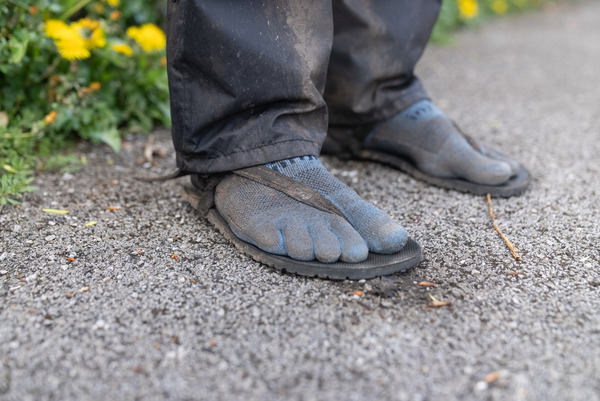
J: Okay. At first, I looked at the sandals that he was wearing [laughs] and I was like, “There's no way you've got 500 kilometres in you with these. Absolutely no way!” [laughs again] so I was sceptical. I started on day one wearing big, heavy Altberg boots; ankle support, grip, waterproof, all these things. And I could not keep up with him whatsoever. So I changed into my barefoot shoes and just running in them through mud and like, getting wet feet, it's kind of freeing in a way. So I understand where he's coming from. And then because he's a posture coach as well, there's the posture side of it. There's actually a lot of benefits to it, and he talks a lot about the benefits of, you know, just grounding yourself, posture, tendons in your feet, and you wouldn't necessarily ever use ankle support as well. Your ankles will get stronger the more you walk in them. Your feet can stay dryer than in boots too. If your feet get wet in barefoot shoes, and it's sunny, your feet dry up. Whereas if you get your feet wet in socks and in boots, they're wet for the entire day. So there's a lot of thataspect as well. They look a little bit ridiculous. I can't lie [both laugh]. And he's getting some really funny looks. But I'm kind of on board with it now.
F: [laughs] Do you think they'll come into fashion?
J: No [both laugh] I don't think socks and sandals will ever become fashionable. I think they'll be more …
F: Tolerated?
J: Yeah, tolerated. He was speaking in his interview about how there's never really been a fashionable sandal and now there is. He speaks about how he matches them to his outfit now and all these kind of things and you just look at this guy wearing socks with individual toes and then sandals, and you're like, [sarcastically] “Yeah, really fashionable!” [both laugh] But no, they obviously clearly have their purpose. And I'm wearing pretty ugly barefoot shoes now but they’re way comfier than my boots. So I understand it.
F: Let's go into the nerdy film stuff. So what was it that made you want to say yes to this project and take it on?
J: So I hike and camp a lot. I spend a lot of time in the outdoors anyway, and also, I'm basically dropping all my boring work to try and push short films and adventure docs a bit more. Like, I'm 29 now, and I've always said, “I'm gonna do adventure docs, I’m gonna do adventure docs”, and then you get to 29 and you're like, “Sh*t, I've not really done anything worthy of watching.” I did a couple last year that I quite liked and then this challenge came along and I was just like, “Hell yeah, this is a bit of me!” I quite like the challenge of filming something like this; you can't really plan the shots and sometimes things can go wrong. Like, when you can't find him on the map or it starts raining or it's too windy for certain things. Or, you know, he's had a bad day or he's injured or things like that. So there's so many hurdles along the way that you have to kind of battle against and then make a cool story in like 30 minutes from 10 days. That's, I guess, that's the hardest part of it really. But, yeah, what made me take it was just being outdoors and filming; literally two of my passions rolled into one. It's like the perfect fit.
F: That’s awesome. You mentioned a bit about logistics and issues, like not being able to find him. What was your pre-production like and how has the actual shooting side of it gone versus your planning. Has it gone to plan?
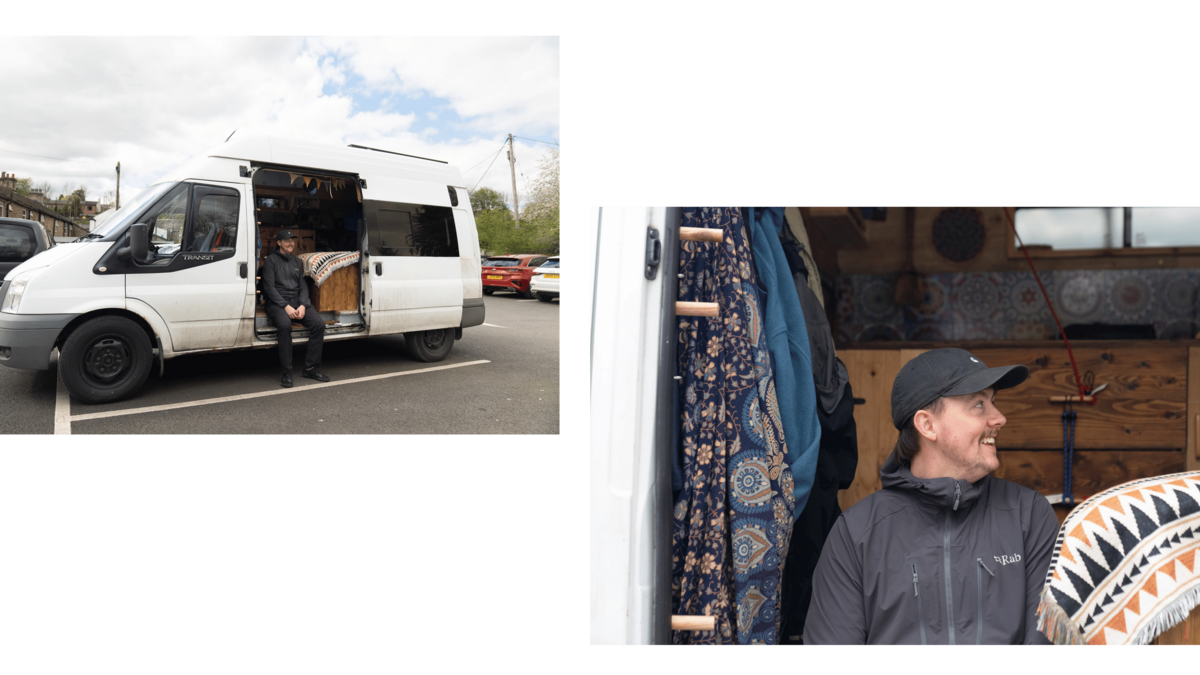
J: It's gone to plan a little bit, yeah. So luckily, I live in a van because otherwise I'd have to travel to and from Sheffield every day. I've got all of Ben’s GPX files for each day, and then I've got a Strava tracker on Ben.
F: Which actually is keeping up in real time a lot, isn't it?
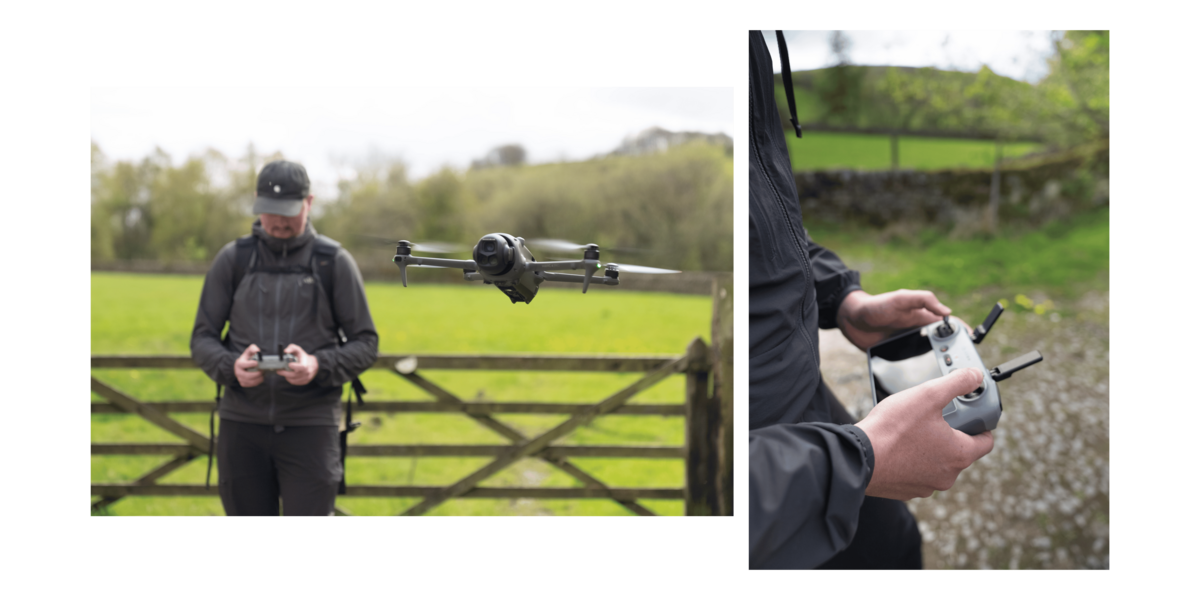
J: Yeah, it updates you. As long as you've got signal, it's great. But unfortunately, we're shooting in places like Bleaklow, Kinder Scout, all these places that don't have signal. So you plan it out where you think, “okay, I'm going to park up in this spot and I'm going to walk to him and I'm going to meet him when he gets to this certain point”. I then set off walking from the van and meet him two, three, four miles ahead. That's always the plan anyway [Frit laughs] Day one, I was set up waiting with the drone, and on the tracker he was about a mile and a half away, up one of the ethels. It got to a point where I was like, “He really should be here by now.” So I was like, “Is he lost? Or has he gone the wrong way?” And I checked and he was already on his way down the hill. And I was like, “Okay, sh*t, I've got all my stuff with me and now I'm going to have to run after him.” So I'm running down the hill chasing Ben, shouting his name, but he’s got his headphones in [laughs] and he's a fast walker as well. Finally he heard me when I got a little bit closer, but I was absolutely knackered that day. So yeah, it's gone about as well as it could have so far, apart from the rain and the bog.
F: [laughs] What's it been like carrying film equipment and navigating bogs?
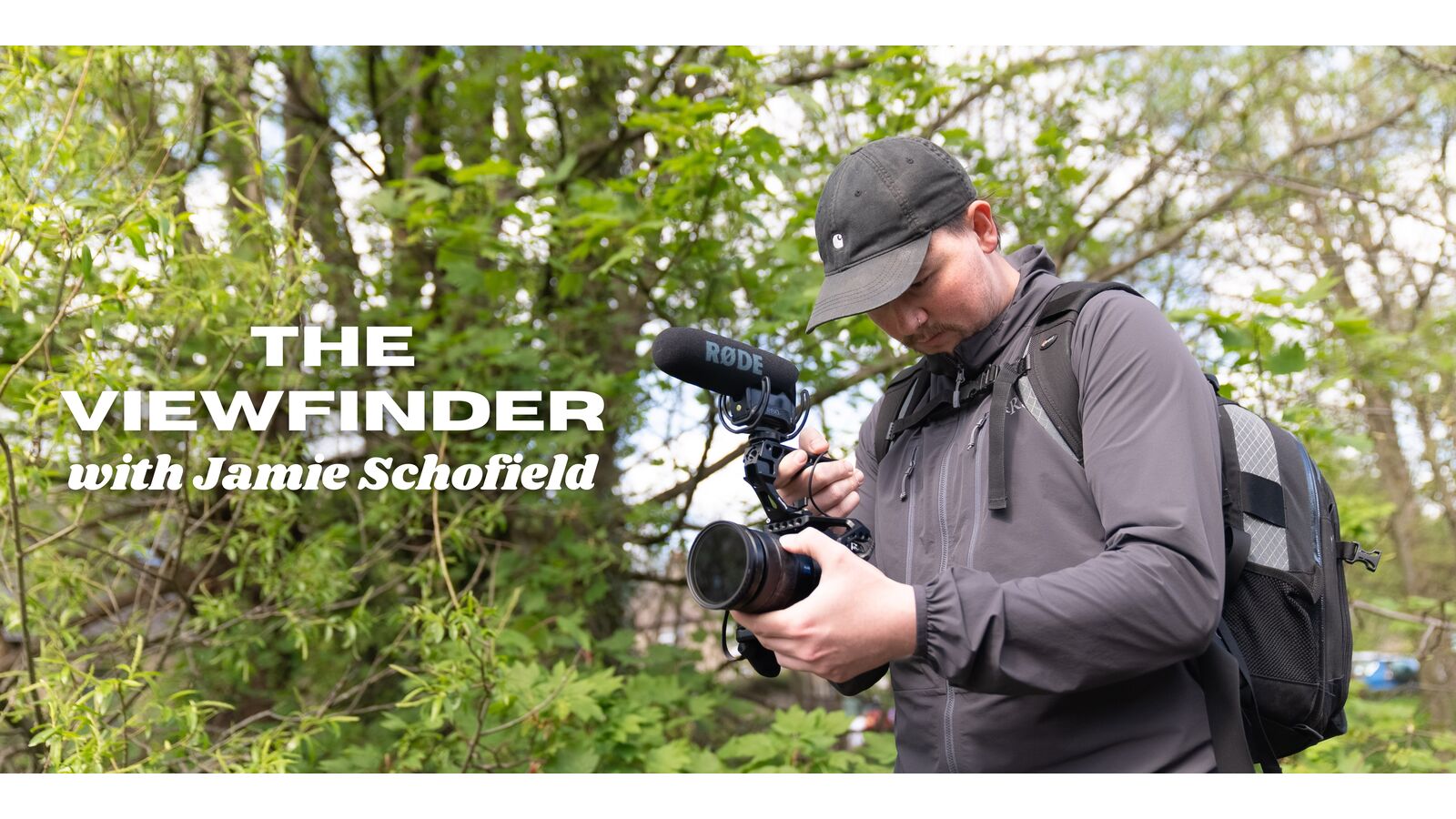
J: Scary. It's hard because you've got a camera in one hand, and then you've got, you know, like £3000 or £4000 on your back. So in the back of your head you're like, “What goes first?” And realistically, I’m thinking it’s my limbs because you don't want to smash your camera [both laugh].
F: In terms of the way that you've packed your camera bag and stuff, has that changed across the days?
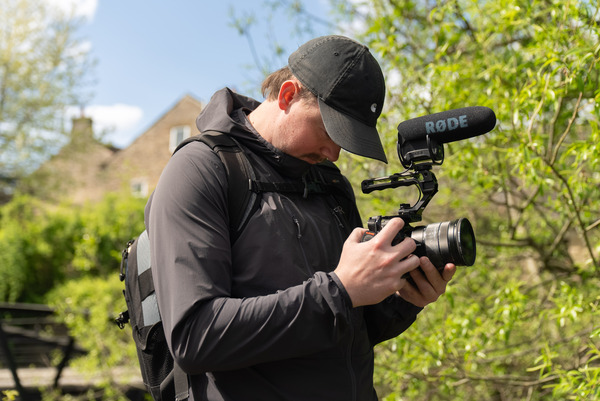
J: Yeah, so day one, I was a little optimistic in the fact that I took everything in my camera bag, plus gimbal. So day one, I mic’d him up and we started walking. I had my boots on and everything was heavy. He's super light, barefoot, and fit. So you’re trying to chase this guy with a gimbal setup that is, like, 12 kilos. So chasing him with that set up just for the stability when you can still get good stability handheld with the newer model lenses, it wasn’t worth taking a gimbal, to be honest. I’ve also stripped out my clip on mics, and I'm just using a shotgun mic for now. In the wind, it was a bit tricky but it's calmed down a little bit so it’s fine.
F: What's been your favourite bit of kit to use on this shoot so far?
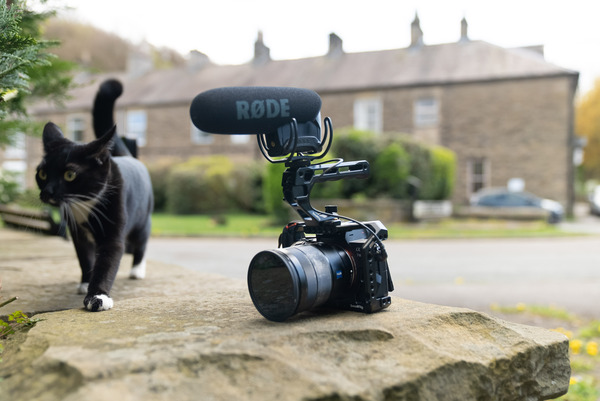
J: So, I started with a gimbal and 50mm prime, and then wanted a bit of a zoom, so I've gone 16-35mm, ND filter, Small Rig cage and a Rode shotgun mic. That's pretty much been the run and gun set up for it all. And then I've got a DJI Mavic 4 Pro, which I bought last year, which has been an absolute game changer! You can basically track him when he's, like, 3 miles away which stops me needing to walk so far. I can just send it up, put it in 6x zoom, find where he is, get some cool shots, and then drop it to 2.5x zoom as he gets closer, and then drop it to 1x zoom when he’s close. Then I switch out to the camera when he gets next to me.
F: Would you say that this is now your favourite setup in terms of, like, shooting someone hiking or running? Do you think you’ll continue this way in future?
J: I think to some extent, yes, definitely the drone. In terms of the handheld setup, I think I'm going to get a different gimbal because the one that I've got is really old. It’s the DJI Ronin S, which is like a proper OG gimbal. Does the job, but it's heavy. I think the new RS 5 is looking very tasty. For the camera nerds, it's got a tracker on that you can basically select a subject and you don't even have to look at what's happening on camera, the gimbal will track that subject for you. So you can focus on what's going on in front of you or behind you. A lot of gimbal users will do the, you know, gimbal walk backwards and constantly have to walk backwards to see what's going on. On this challenge with how slippy and hilly it is, it's been impossible to walk backwards. So with a new gimbal, I think that would be the next step. Other than that, I’d pretty much keep the rest of the equipment, and then maybe borrow Frit’s 70-200mm [laughs]
F: “Borrow” - that's an interesting choice of words [both laugh]
J: Yeah, I think 70-200mm would probably be the next decent purchase for something like this because you can get those nice long shots.
F: Yeh, totally! When you're filming, have you got the edit in your head, and how do you feel, the film is panning out in your head based on the shots that you're getting?
J: That's a good question. So, I always normally start with the interview before, because I like posing questions, such as, “What if this happens? or “What if it goes wrong? What's your plan here?” You can kind of foreshadow things so if it does go wrong, then you've got it, you've got it in the film. You can't get candid versions of that afterwards. So I do the interview first and then I will film the whole thing. I've done a bit of home filming with Ben and his wife, Ellie, as well. Just basically asking Ellie to pose some questions to Ben, and then I will go home, and I will sit there, and I'll go through the entire interview process, and I will be like, “OK, this bit is good ,this bit's not”, and then I'll basically trim the interview and I’ll place it in a way that tells the story. I like to go up, down, up, down with tension and comedy. So it won't follow a chronological script, it'll kind of bounce around a little bit and tell the whole story, but not a chronological way.
F: Yep, that sounds really cool, actually. That would make for a much more interesting edit.
J: I hope so, yeah. I don't want it to be like “This is ethel 1, ethel 2, ethel 3”. I think that it would be boring. I want the interview to kind of take control, and he interviews really well.
F: Final two things then. How do you hope the next few days are gonna go? Do you think that you're gonna be doing anything different, or do you think it's all gonna be pretty much what you've been doing already, just getting more in the can?
J: Yeah, pretty staple. Pretty similar to what we have been doing. I've got a nice rhythm now where I go up like a decent peak, wait there a little bit, get the drone up, find him, follow him, drop to the camera, and then follow him down to the van, and then I'll drive on, do the same thing again. There's a bit of a shot list that I have remaining, most of it is at night. So I do want to camp out with him at some point in the next couple of days and just kind of film the process of him winding down, chilling out, cooking his food, that kind of thing. Tonight, he's with his wife in an actual campsite and it’ll be the first time he gets a shower. So I'll film that bit and I think just any processes along the way that are kind of wholesome or tells a story, or, you know, is something that adds to the story. Like, he's going up Crome Hill, which is an incredible drone shot, so I've kind of planned where the good spots are to get the drone up, and I need to definitely be there. But yeah, it's a bit of a similar process and then I'll be there at the end. I think he's getting a bit of an entourage towards the end of like 20, 30 people joining for the last like three kilometres which is amazing. And then I've just got a list of pickup shots that I'm kind of making as I go, like him jumping in puddles in slow motion and things like that.
F: Yeah, mega. Final question: are you gonna submit it to ShAFF?
J: No [both laugh] Yeah, absolutely going to submit to ShAFF. It's such an amazing event for filmmakers like me because, for one, it is close to home, and two, it tells lots of different stories. There's loads of people there watching your films and it's just like… [says playfully] very well organised.
F: Thank you, I’ll pay you later [both laugh]
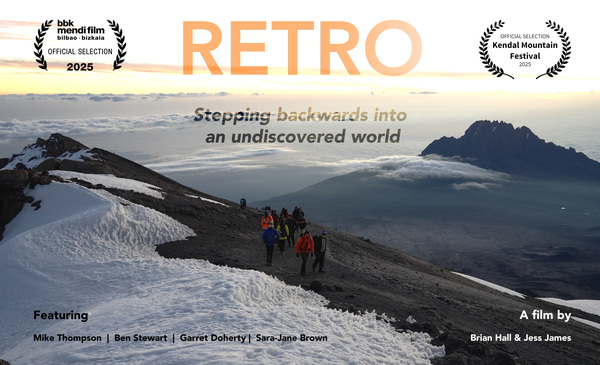
J: But no, it's really good for filmmakers because there's such an array of different films there. So even if you have made a water film, for example, you then go and sit and watch 10 different water films and it could be a very similar story to what you've tried to tell, but done in a completely different way, which is inspiring. And the same with the running films, there'll be something similar next year to what Ben's doing. Like, I watched one this year that's in my mind on how the edit's gonna go, but I wouldn't have had that planned if I didn’t watch it at this year’s ShAFF.
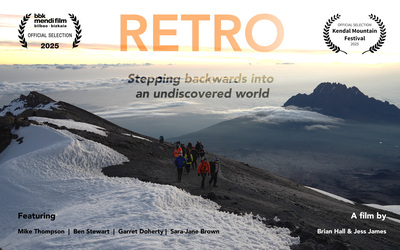
F: Was it Run Again?
J: No, it was the backwards running one.
F: Oh, Retro.
J: Yeh, Retro! So, like, in the back of my mind, because there's something quite ironic and quite funny about doing it in barefoot sandals, I think a lot of people will recognise the challenge and recognise how hard it is, but also find the sandals quite funny. So I kind of want to tell, obviously, the story of how big the challenge is and tell the story of Ben's life and all these kind of things, but ultimately, it comes down to him doing it in barefoot sandals, which is just ludicrous. And ShAFF’s inspired that by me watching that film there.
F: Great, thank you so much. That’s perfect.
J: Thank you very much.
Ben has successfully raised over £3000 (exceeding his original £2000 target) for the charities, Campaign To Protect Rural England and Mental Health UK. His JustGiving page remains open, and he’s aiming to raise even more over the next month. If you’d like to contribute, every little helps - why not donate to support both Ben and Jamie’s efforts? https://www.justgiving.com/team/bens-challenge?utm_medium=TE&utm_source=CL